Article by
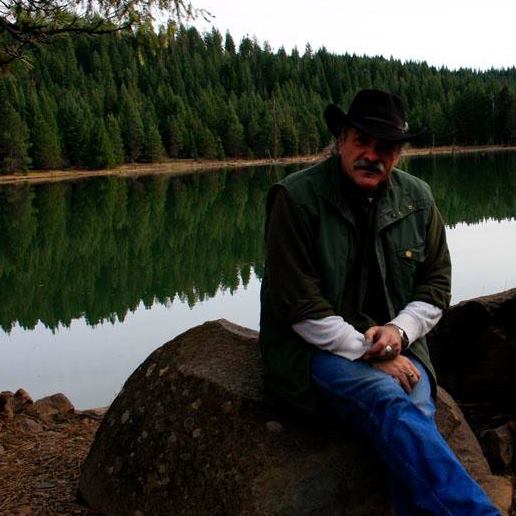
John Cox, M.A. C/M
“Throughout our history in America, we have become the, shall I not mix-terms, victims of people’s mis-use of terminology-patterns. . . Or, our speech and terms we impose upon others. Speech patterns are nothing more than sounds we have accepted to communicate, over the past, from approximately 5,000 years ago. These patterns developed when we learned to form words, from alphabets designed from animal-drawings, and sounds (Nature); thereby, connecting them creatively with other patterns and lines found in Nature. We then intermixed these elements into language.
The sounds we use are not worldwide, so no necessity to assume superiority exists, as each system of communication varies throughout the world, of sounds, chirps, clicks of the tongue, of smacking of the lips, or growls and grunts, et al.; which were, around much longer, than our English Language. To each tribal circumstance, speech patterns vary widely. Then formally formatted into structural verse, or the written language.
Aristotle did not discover our written language, but he created the first formal system of logic, and pioneered structural rules for speech, meaning, and propositions. He had no idea at that time, doing something “good”, could eventually evolve into something with a diversity of use, positive, and, unfortunately, negative.
Communicate, yes, and purvey ideas and ideologies, as well as discuss potentials for life itself, and just plain-ol’ get along with others, for understanding and perspectives. But there developed a negative-side, used by people that would, and did to this day, use it to pander, manipulate, develop confrontation & hatred, start wars, misuse terms, et al. Yes, extreme humane-traits, indeed, and why Ethics and Morality, Aristotle’s answer to the language itself and how to perhaps use it properly, as he observed at the same time, terminology of words being misused.
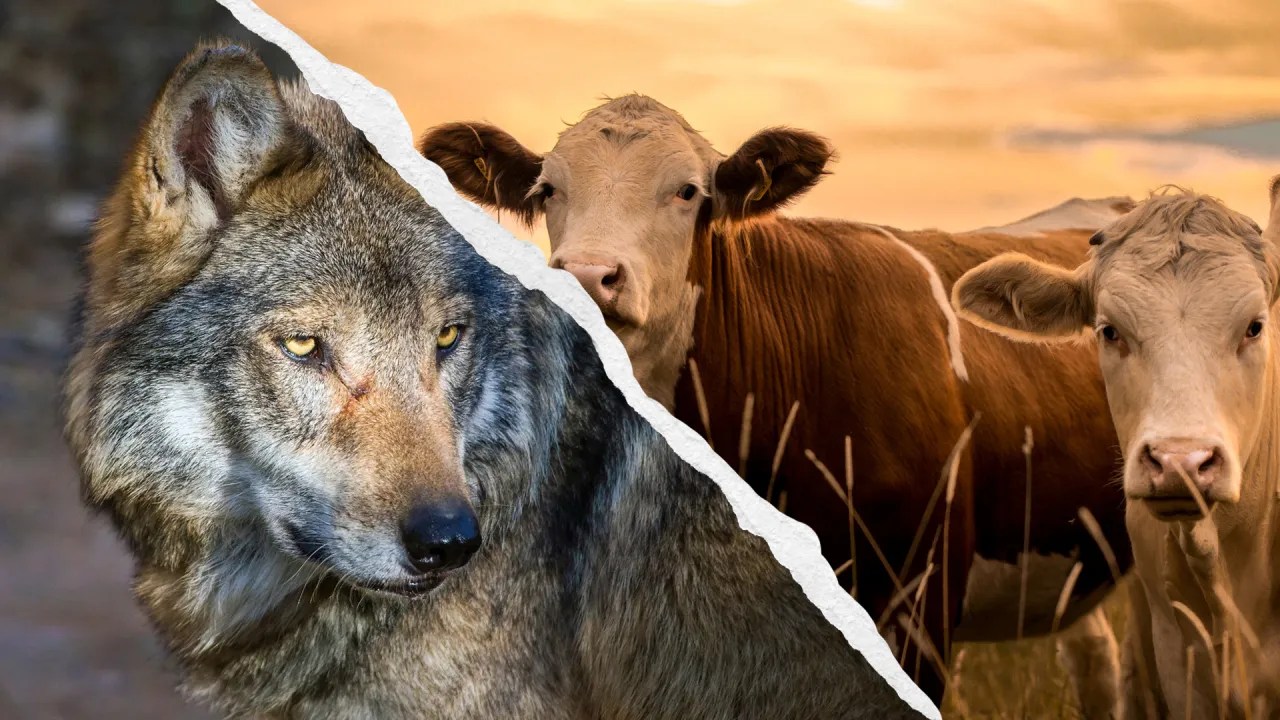
The question does arise, what does Wolves or Wild Horses, have to do with all of this? A lot, quite frankly. We observe today such terms as Re-Wilding, Indigenous, Nonindigenous, Conservation, Necessity, Reasoning, Tradition, Heritage, among many others, or such terms as Rural & Urban Divide, being used to convey many different approaches toward Nature.
Aristotle viewed written language as secondary symbols for spoken words, which in turn symbolize mental experiences; thereby, we perceive particular terms to mean more than others, i.e. non-franchised terms so to speak weaker in context, in order to develop a pattern, as one to carry more weight or power over other terms of lesser value. And use deductively, for formal and deductive reasoning and symbols, e.g. the use of “And”, at the start of a sentence, or “misuse” as some suppose, in regard to grammar, draws attention, then turns subordinate to the thought purveyed. . .
Many authors use it, Fitzgerald, et al., as the English Grammar snobs’ heads spin, in disgust LOL. Yet, starting a sentence with “And” is completely grammatically correct, despite a widespread myth to the contrary. While some people were taught in school that beginning a sentence with a coordinating conjunction is an error, Aristotle actually addressed the importance of “correctness” (or hellenismos) in his work Rhetoric, focusing on clarity and appropriate style, rather than the use of rigid, or arbitrary rules.
When we use language in an arbitrary manner, we find confusion. Hunters and Trappers and Ranchers that, for example, over-kill Wildlife in America, and add to the problem for our Natural Habitats, in particular in Wilderness Areas, and is without a doubt outright-destructive. Through this misuse of terminology, we find hatred and severe animosity toward those who do not assume, nor, believe for one second, that Hunters and Trappers or Ranchers are Conservationists.
Too much evidence to show us conflicts in the term exists. Distractions arise, and soon we discover innuendo, and lies that develop into just how obscure the term “Conservation” has become, or how menial, and has developed into a “distraction” rather than something helpful to our standards of Natural Resources and Wilderness Management Paradigms. Time is wasted on attempts to adapt, confusion toward the term explodes, and the debate then become not of “Conservation” but what we have to sacrifice for Hunters, Trappers, and Ranchers (using our Public Lands for more definable terminology) to even exist. We can also, reasonably I might add, and knowledgeably, combine this with the Wild Horse Conflict – same reasoning, same altercation in meaning, and similar sacrifices, merely cloaked as Over-Population Fears, or extended lies of destruction done by Wolves and/or Wild Horses.
The fact is, terminology and how we adjust it, especially when speaking about our Wildlife and how it conflicts with industry, or creates this supposed Rural – Urban Divide, panders to nothing more than mis-use of terminology, brought about by fear, yes, but also by many outright lies. The lies expansive. The extensive fabrication and exaggeration of how destructive Wild Horses and Wolves are, when compared to the truth about how destructive Ranching, Hunting, and Trapping really are, in reality, currently.” — John Cox, M.A. C/M