John Cox – M.A. C/M
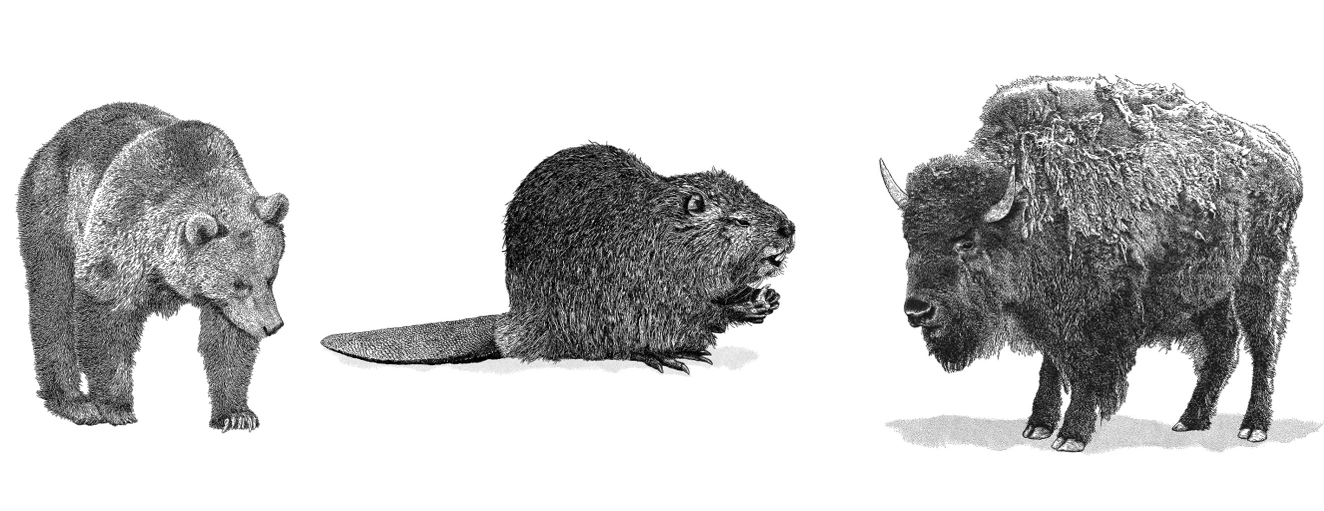
North American Model of Wildlife Conservation, when studies, and references perused and checked, has no science nor statistics based within any reality complex in our Wilderness and Forests — a very shallow document, commercialized rather than reality management = more Advertising types of Propaganda.
Certainly, more of a pretend piece of rhetoric, that conflicts with common humane ethics, as well as responsible conduct, which neglects, abusively in many instances, Wildlife and Lands Management to be accomplished within a positive process.
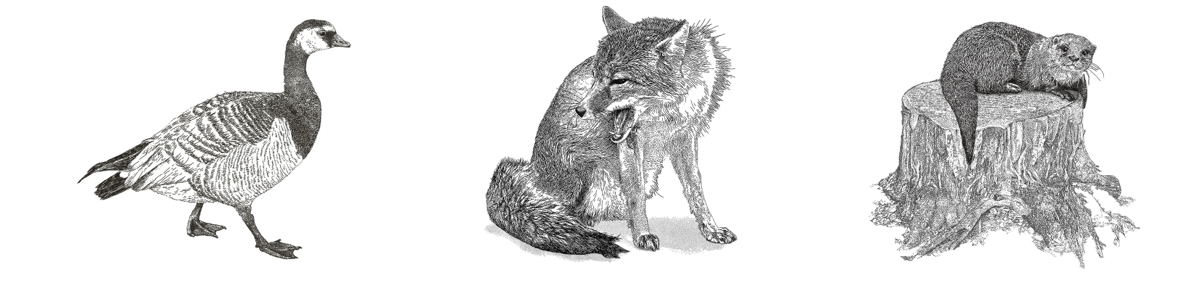
The model over-emphasizes game species and fails to adequately address non-game species conservation, though it technically covers them, falsely, as their science does not, nor ever has backed the conclusions of the model.
They like to say a decline in the number of hunters threatens the primary funding mechanism, but we can find no evidence of such — and the rhetoric about Hunter / Trapper situations funding, in totality, simply a lie. We find through perusing Fish and Wildlife State Budgets, and the Federal Budgets, and the government Lands and Wild Agencies Budget, to have little to no funding from Hunters / Trappers, et al. directly.
While wildlife is held in trust, the public has limited input compared to special interest groups (e.g., hunting lobbies, ranching lobbies, fishing lobbies, trapper lobbies). Here, we see the inequity of the North American Model of Wildlife Conservation model itself, generally protects the very-people that it was designed to protect Wildlife and Lands Management from. Lobby interests do not serve America, nor the general population of Taxpayers — but rather, a select few situations of Profit-Based lobby efforts, that conflicts with the majority of American Rights.
The seven pillars (sometimes called “seven sisters”) are not as deeply rooted in history as proponents claim, and the model is actually more of a 20th-century creation — That myth and heritage is nothing more than rhetoric, to excuse those who commit atrocities upon our Public Lands, and forced upon Wildlife, as well. It is where Heritage and myth, conclusively combine into a conflicting tale of lies, innuendo, and abusive actions toward Wildlife, in reality, nothing more than mental-dysfunction, or Psychotic Behaviors unacceptable within a Humane Society.
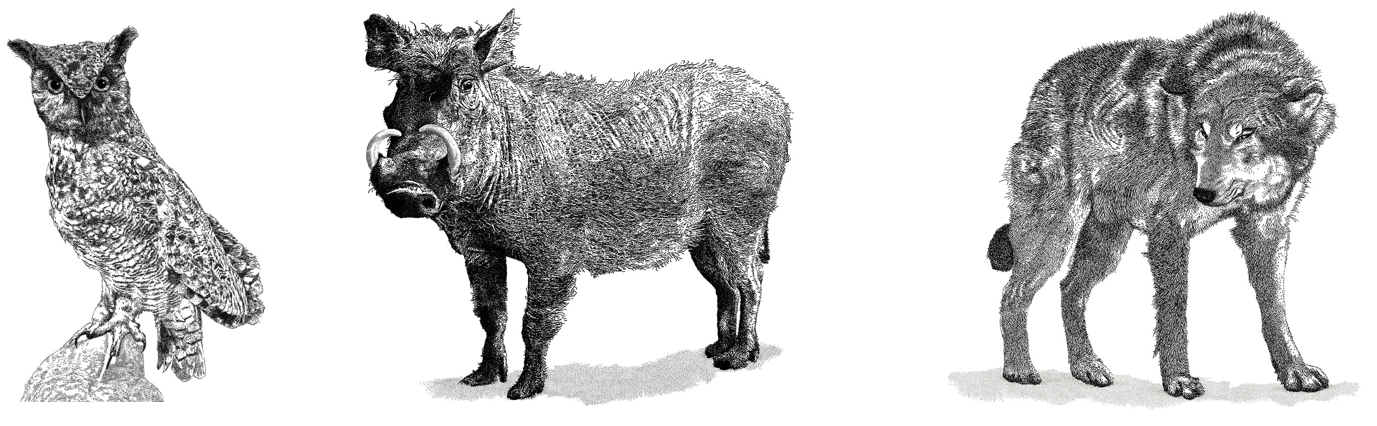
Privileging Game Hunting: The model serves to justify hunting, with management agencies prioritizing game animals (deer, elk) and predator control to enhance hunting opportunities, rather than, ecosystem health.
Marginalizing Non-Hunters: It fails to include non-hunting conservationists, indigenous groups, and minority voices, focusing largely on the history of sportsman-led conservation (this type of conservation questionable, at best).
Inadequate Predator Management: It supports the elimination of predators to increase game populations. This is in direct conflict with credible science, and Predators being a significant part of Ecological Habitat Health and Sustainability.
Neglecting Non-Game Species: Agencies often focus disproportionately on taxa valued by hunters and pay less attention to threatened, endangered, or non-game wildlife.
Questionable “Legitimate” Killing: The tenet “wildlife can only be killed for legitimate purposes” is contentious, with critics saying it allows for trophy hunting and the killing of predators as “vermin”.
Limited Scientific Scope: Awkwardly, science is not always the primary driver in setting policies, which can be heavily influenced by political agendas or hunting lobbies.
Neglect of Modern Biodiversity Issues: One direct circumstance, very negative to both Wildlife and Lands Management, is the fact it does not adapt to 21st-century issues like climate change, biodiversity loss, and invasive species, focusing instead on traditional game management . . . Avoidance of these issues, ignorance, bigotry, and hate, combined with psychotic behaviors, are not tools for science, but rather, to be avoided.
We find the Paradigm of The American Model of Wildlife Conservation to be flawed, and nothing more than common rhetoric. Fortunately, Conservation is much more than this model can provide, in truth. We find the Desertification of Lands toward positive growth, as well as much of our Nations Wildlife that is sacrificed, all the while promoting this dysfunctional model of Conservation, to be distasteful, and simply common and shallow words. . .
(Filed 3-27-2026)
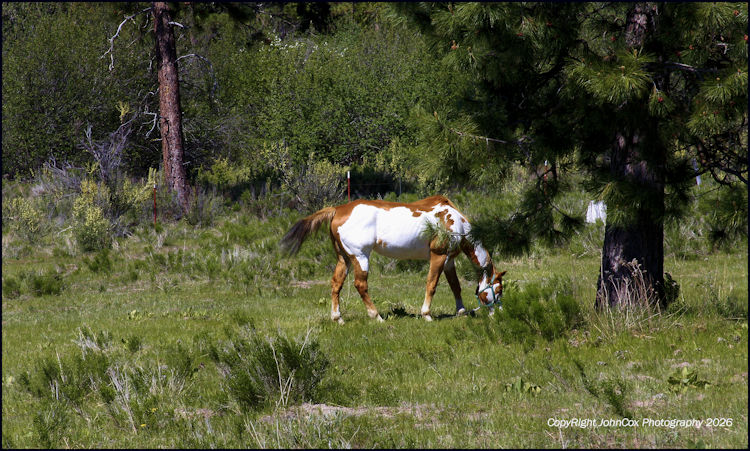
 Preservation of America's Wildlife