Blog

  • Public Lands Need Wolves — Welfare Ranching is Not necessary, Destructively Antiquated

    Research & Article
    John Cox M.A. C/M

    “We find lot of Public information about Wolves, on Public Lands, most often driven by Fear, or Group Hysteria (i.e. Northern California most recently). The fact is, simplified, Welfare Ranching on Public Lands, and their need to rid our Public Lands of much of our Nation’s Wildlife, is not represented by science, but rather, misinformation — i.e. about Wild Horses, Bear, Cougar, and many other Wildlife that must Co-Exist on our Public Lands, for a healthy environment. Let’s discuss Wolves here . . .

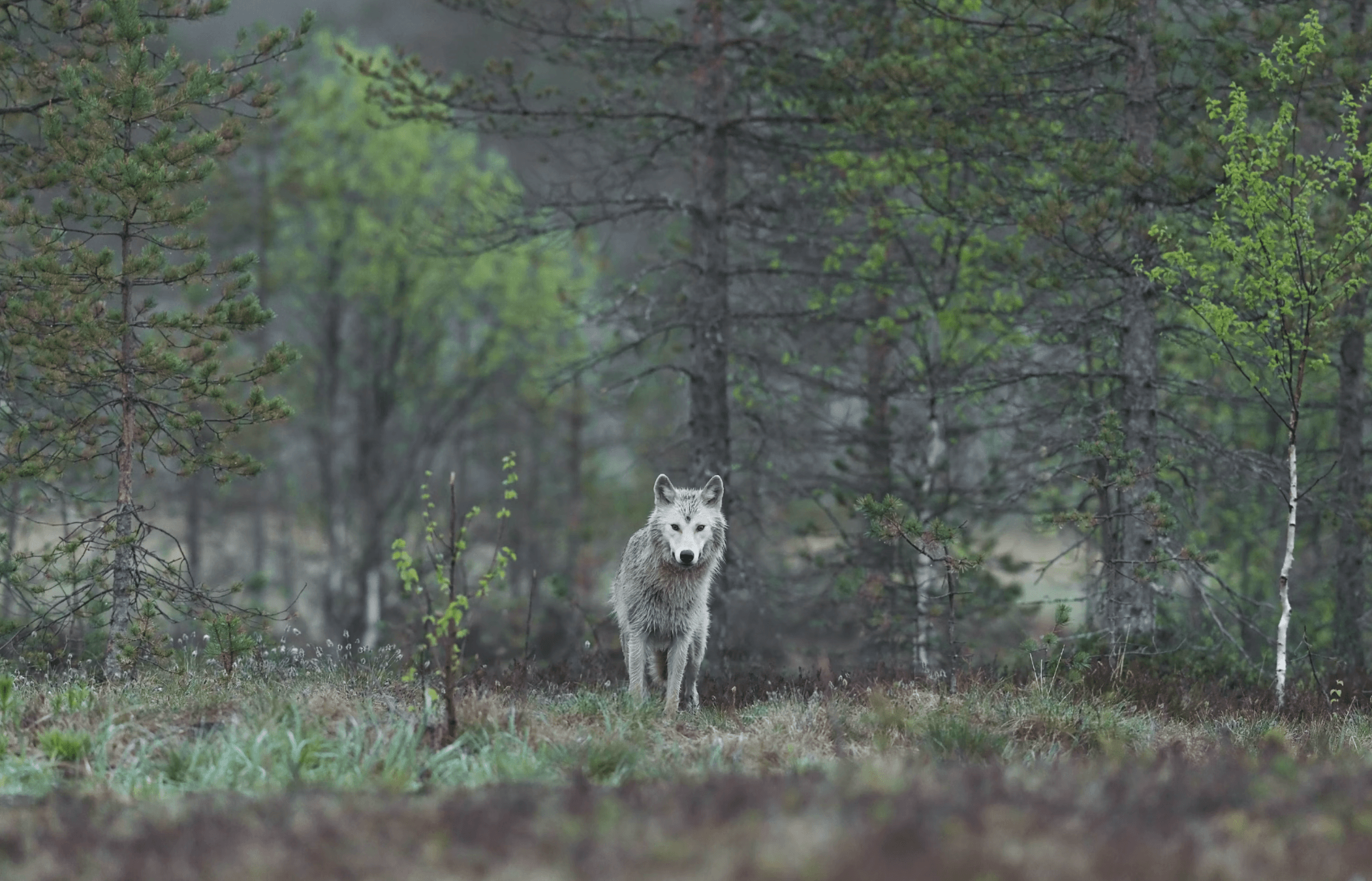
    Wolves provide significant ecological benefits to public lands by acting as apex predators that restore balance to ecosystems, fostering biodiversity, and improving habitat health through the regulation of prey populations. In contrast, livestock ranching on public lands is often associated with negative impacts such as overgrazing, habitat degradation, and biodiversity loss. 

    Ecological Benefits of Wolves

    • Trophic Cascades: Wolves prevent overgrazing by elk and deer, allowing vegetation like willow and aspen to recover, which improves habitat for other species.
    • Wetland Restoration: By reducing elk pressure in riparian areas, wolves contribute to increased willow growth, which supports beaver populations and creates healthier, more resilient wetlands.
    • Disease Control: Wolves help manage wildlife populations by preying on weak or diseased animals, such as those with chronic wasting disease.
    • Ecosystem Services: The presence of wolves can reduce deer-vehicle collisions and provide carrion for scavengers, supporting a more diverse ecosystem. 

    Impacts of Public Lands Ranching

    • Environmental Degradation: Livestock grazing can lead to compacted soils, damaged stream banks, and the loss of native vegetation.
    • Habitat Conflicts: Cattle often compete with native wildlife for forage and water in sensitive, arid, or high-elevation habitats.
    • Management Costs: Ranching on public land can require significant, costly efforts to mitigate interactions with predators, often requiring compensation programs for livestock losses.
    • Sustainability Challenges: Some studies suggest that the ecological cost of grazing in certain public land areas outweighs the economic benefit, particularly when compared to the restorative impact of natural predator-prey dynamics. 

    While ranching has deep roots in Western culture and provides economic value, research increasingly highlights that wolves offer superior, natural, and cost-effective management for restoring and maintaining public land ecosystems.” — John Cox, M.A. C/M
  • Nature, Sustainability, Happiness, and Us Common Folks

    Editorial by
    John Cox, M.A. C/M

    We live in a society, currently, and so much over the past couple of centuries, that we can go and purchase what it is we want to be, during the day or into the night.   In doing so we have, in reality, grown apart, or away from Nature…  Yes, ultimately, if one has the cash, we can be whatever one wants to be – Business, rather than Nature, gives us a very false world to live within.  Often the obvious becomes just that, and people simply appear out of place, in both action, or, in deed, style, and natural occurrence, distant from one’s appearance.  Within many aspects, the person, simply, does not fit in the realm of their iconic adventure into what they are not.

    When we, as people, want to steer away from our mundane, and often sad life (an personal assumptive psychological dynamic) many live today.  They go to the store, in this assumptive life-changing event, purchase pairs of e.g. camouflage pants, shirts, and yes, even underwear.  (i.e. as if Mr. Peabody, in the 1960’s Saturday morning Mr. Peabody and Sherman, sends Sherman to whatever Iconic adventure he wishes, and often finds he is unqualified to be there, and just as often the Wizard pulls him back to reality when life and death situations becomes Sherman’s reality).  Undaunted, Sherman then attempts to be something else, and life goes on. 

    Often, people do search for what they indeed are, rather than just be what they are, and can find real-happiness in it, within the natural flow of things, and no other life form nor habitat need be sacrificed to do so – Yes, Nature also plays a roll in this, but in Real-Time – not fakery, mirrors, or false persona’s. 

    But all people are different.  One aspires toward being a businessperson, easy remedy, go out and buy a suite, or buy a business-type dress; suddenly, as if a request from the Wizard of Oz fulfilled, one becomes a business person, whether qualified or not.  This can go to various satiation’s, a Rodeo Star, a motorcycle rider and outlaw, a deep-sea diver, an action-adventure  parachutist, and even paraphernalia to become James Bond and a spy.  I think Sherman had tried all of these, and come out calling, oh wait, comes out pleading for Mr. Wizard to save him from assured death.

    Within all of this, many of us see, sadly, the disconnect from Nature the human species have indeed created.  When we study the problems on how to resolve the issues and conflicts of today, with Nature, one very prominent situation arises, again and again.  Not just the money.  But rather, all those implied situations, yes, that money can provide, falsely, a better life – but the fact that the physiological dynamics conflict, and often destroyed. 

    Our conflicts with Nature numerous, some psychological, some physical, some very psychotic and with bias, hatred, or worse, apathy – and the knowledge that perhaps, the only reason we are so destructive, is that we had a choice, with our opposable-thumbs (the factor that separates us from other life on this planet).  Yes, the Universal Factor of “Choices” we human’s had chosen, beyond survival.  These choices conflict with Nature, and often.  As if God’s or something, that we can pick and choose what other live-forms can live, and others sacrificed, for the way we, the human species, lives. “  — John Cox, M.A. C/M