We Need Sustainability of Wildlife and Our Terrestrial Environments for Lands and Human Health – Priorities Need Changed
John Cox, M.A. C/M
Forestry Management Paradigms, despite the Wild Fires, remain favoring (yes – the Special Interest Lobby) logging and industry within our Forests. We often refer to it as Intensive Timber Management or Industrial Forestry; which, prioritizes high-yield wood production, timber stand uniformity, and rapid economic returns.
This approach fundamentally shapes the forest ecosystem by favoring commercialized-returns by volume over biodiversity. Co-existence, between our Natural Environment and Human’s non-existence, or a very low priority, and Wildlife sustainability even lower.
Clearly Observed Priorities Unfavorable to Co-Existence
Aged & antiquated Cultural Heritage once again a fact; whereas, Industrial managers often clear-cut existing diverse forests and replant with a single, highly speculated profitable commercial species (e.g., Douglas-fir in the Pacific Northwest). This creates uniform, single-age stands. Yet, Old-Growth Timber Stands, at times nearby, keep sustainability possible, yet ignored, and often left out of Environmental Impact Statements (EIS) when considering the Clear-Cut, and potential damages to surrounding areas – inclusive of the Old Growth Stands.
The Short Rotation Cycles of a Reforested-Zone is normal management procedure, in operational aspects of trees that are harvested as soon as they reach commercial maturity. The problem quite obvious, yet ignored — The Clear-Cut done, logs hauled away to the mill, typically long before the biological age when trees would naturally hollow out, fall, and provide diverse habitats.
Afterwards the Vegetation Habitats,profoundly, are sprayed with Herbicides are often heavily utilized to eliminate broadleaf “weeds” and understory brush that compete with the commercial trees for nutrients and sunlight, directly reducing food and cover for native species.
For better Reforestation, commercially that is, the Standing dead trees (snags) and large downed logs are frequently removed or burned. In nature, these are essential homes and foraging grounds for birds, amphibians, and small mammals
When management is stripped of wildlife consideration, the ecosystem shifts in several distinct ways compared to ecological forestry:
| Feature | Industrial / Timber-Focused Management | Ecological / Wildlife-Focused Management |
|---|---|---|
| Tree Diversity | Monoculture (one or two species planted). | Diverse mix of native hardwoods and conifers. |
| Dead/Downed Wood | Cleared out to prevent fire and make logging easier. | Preserved on purpose to provide critical habitat. |
| Structure | Uniform, even-aged stands. | Varied ages, canopy layers, and open spaces. |
| Understory | Suppressed with herbicides to favor crop trees. | Allowed to grow to provide forage and cover. |
| Primary Goal | Maximize timber board-feet and financial ROI. | Enhance ecosystem health and biodiversity. |
While intensive industrial logging is heavily regulated by state and federal forest practices acts to prevent topsoil erosion and massive waterway damage, its core aim remains resource extraction rather than wildlife support.
Conclusively, the conflicts we do see, easily observed by the way, is the outstanding conflicts in arbitrary logging operations, that damage the surrounding areas, as well as the Logged-Off areas. Something quite a bit more than resolving the issues by Select-Cuts Management. Not only Wildlife ignored in the EIS, but the issue of Sustainable-Forests also in competition with the rush for Dollars and Profits.
The ultimate results? We see Wildlife coming into areas near homes, or ranches, near suburbs, and supposedly violating some people’s images of where Wildlife has to live, and they have to live — All the While taking away, irresponsibly and unnecessarily, the very Homes where Wildlife live – daily.
We then move on to Wildfires, and Record Breaking Years for Wildfires, and come up with decisions based upon Profits for Industry, rather than, to conclude, or even resolve the Wildfire problem.
Do we have a problem with this Cultural Heritage Problem? Absolutely! We seem to invoke, whenever issues develop, and questions asked as to why we have to sacrifice so much, in Our Nation’s Lands and Wildlife. Are Profits for a few, in industry-only, and the hell with Wildlife or the remaining Terrestrial Environment, a fair-bargain for America and American’s? Many American’s will say NO!
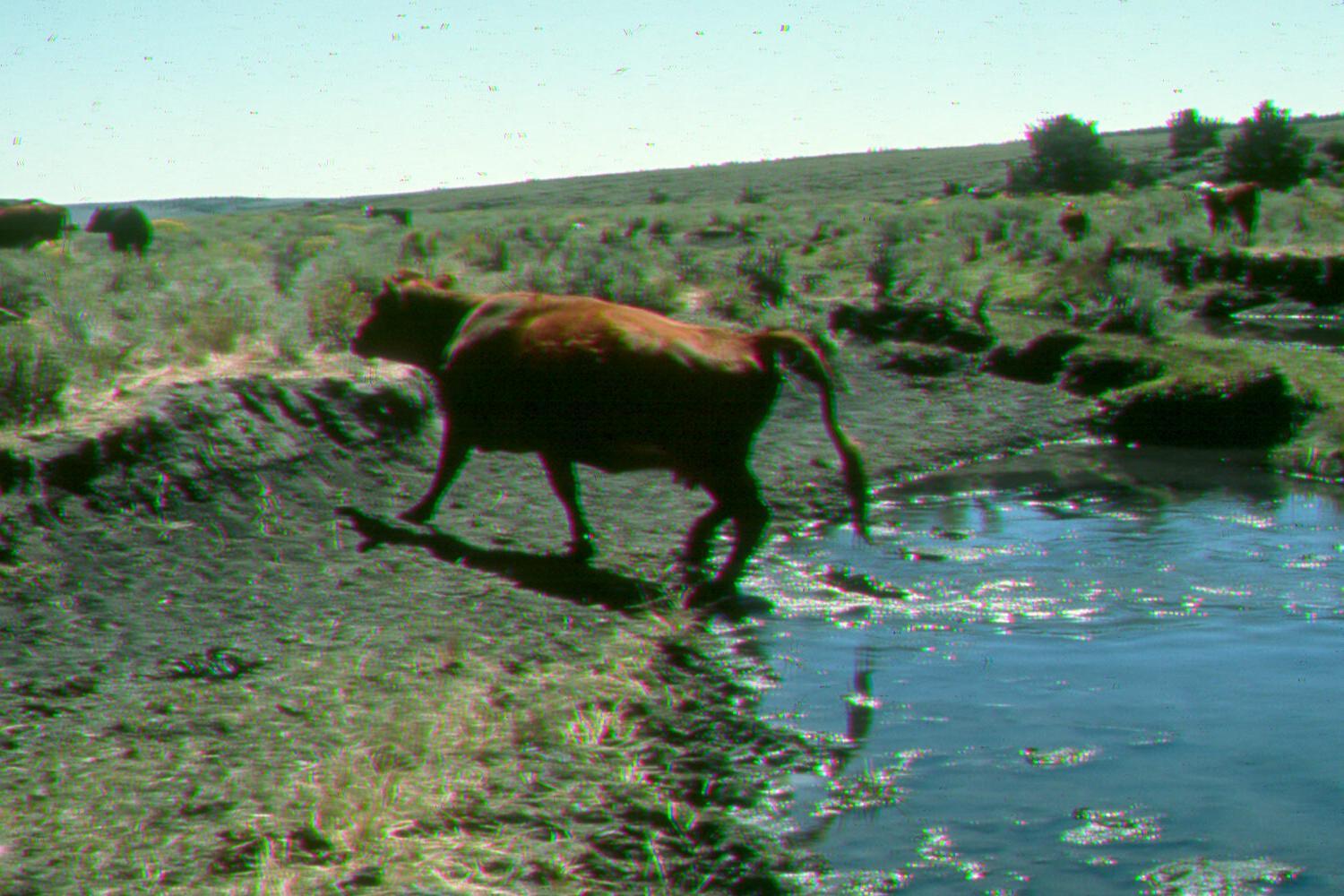
 Preservation of America's Wildlife