John Cox, M.A. C/M
To understand modern principles of sustainable management and the “conservation” of wildlife species, it requires intimate knowledge, experience, and observational abilities to acknowledge both past and present life-process, and the results of actions already taken in past years.
Very Important Information that concerns all of us: As Albert Eisenstein points out, especially when the matters are someone with “Delusions Only” perceptions, we then have false-parameters established, alongside false theories, excepted as truth — when indeed, contrary to the truth.
It is all connected, truthfully connected, with demography, animal behavior, and ecosystem dynamics. With emphasis on practical application and quantitative skill development in order to generate positive action-management from truthful information. This becomes paramount, and valuable as a workable synopsis favoring truthful “Conservation” of Wildlife, and in-combination with our Terrestrial Ecology. We are connected to it all, equally. It is only “Delusion Toward a Favored Enterprise” that makes the difference between Sustainability and Destruction.
Even though we may be seeking information on Wildlife, for example a Wolf, or Wild Horses, we have to be informed, knowledgeable,especially about all the aspects involved.
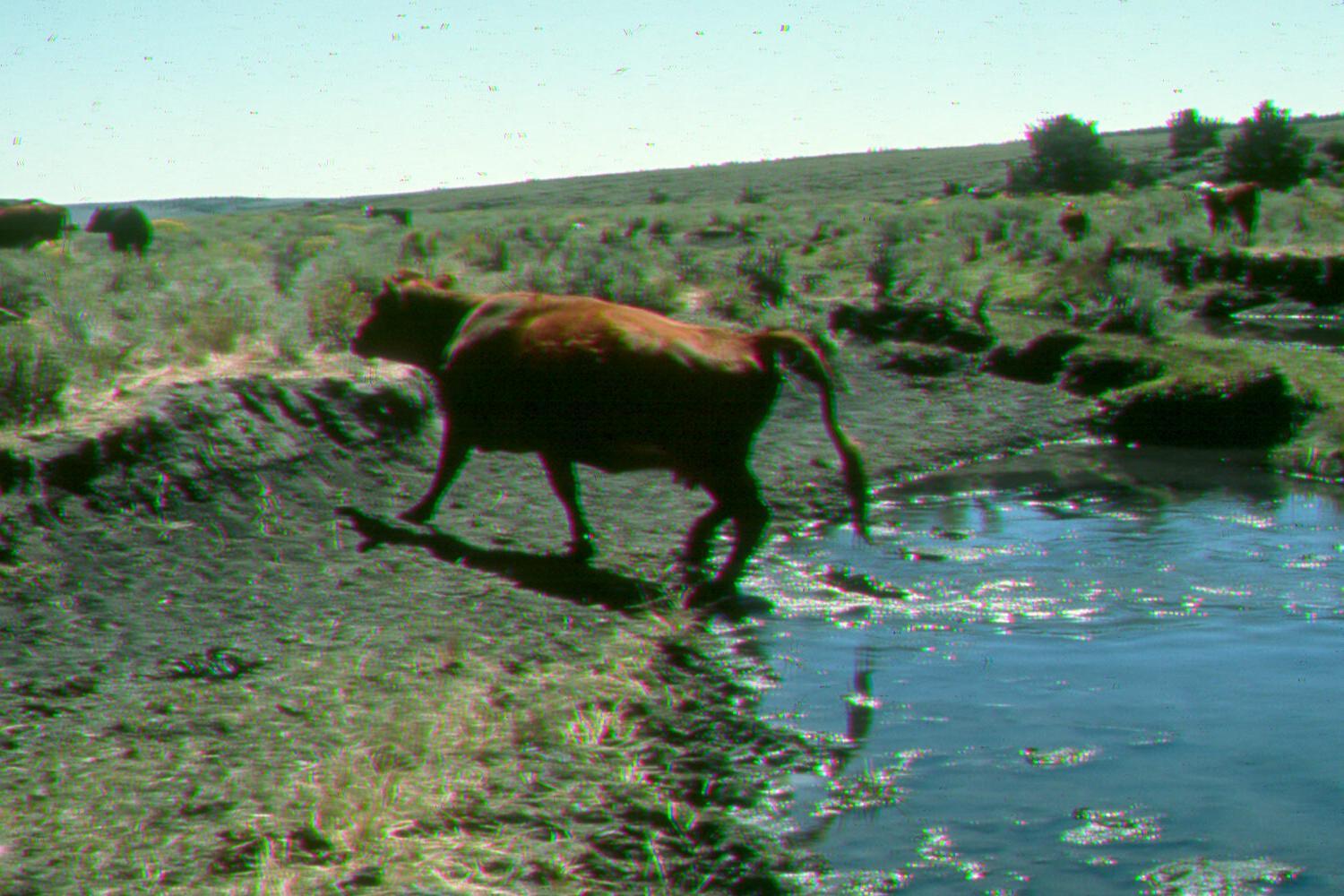
Not only of surviveability, but of Contribution, or their offering to the “overall landscaper”, and whether useful, or destructive. When we favor an “Invasive Species” such as cattle, for example, there exists no Positive Lands Values they contribute — it is all Negative Values. Research, observation, experience, history, and Desertification of Lands, as well as the ultimate test,
“We cannot drink the water” after cattle use lands, as they pollute the streams, and the managers of the same lands, kill-off all the Species that Contribute Positively to the Ecology, and we have big problems. Delusions are a very serious aspect of bias, of bigotry, and of bad decision making within our Environmental Complex and Process.
Suddenly, by supporting this invasive species, “Conservation” and its very meaning, is thrown out. And we are led to believe we should not bring this to the general public (through intimidation techniques, defamation, cheap and tawdry threats, and the list goes on) — and we must all believe the lies, the innuendo, and the misinformation about cattle being of any necessity at all, especially from our Public Lands.
The situation above, the introduction of this article, is proper Conservation. Why? Because in the habitats where this becomes a priority, rather than ranching, or hunting, or industry, fracking, or mining, and compared to our Public Lands being desertified constantly — Means that true “Conservation” is more than just a word to use to film-flam the general-public into believing that sacrificing wildlife, our water resources, our grasslands, and our Natural-Based Food Supplements, are worth it. It is not only “not worth it”, but we get nothing out of it, and pay more taxes, that support the lies, and misinformation. In reality, very costly, indeed.
The ultimate test for truth, when these people state they are Conservationists, for example, remains, Can we drink the water??? — in areas where there is heavy hunting, ranching, i.e. all of the above. The answer is, through experience — No, we cannot drink the water — There is a truth in this. So simplistic, yet so confusing to many.
One example among others, keeping up with gun-technology, or producing more cattle on smaller amounts of lands by modern technology, full-throttle for high profits, use and destroy more lands, or commercialization and technology ripping apart mountains (technology again, because its there) and destroying forests for future ranching or technology purposes . . . And Why? As they answer (and yes, this cannot be made up — heard it on many occasions), Because we have the technology to efficiently do it! This is not an appropriate answer to any of it, as we continue to observe the outcome today — But again, the ultimate test, whether it is comparable with Nature or not — Can we drink the water . . . ?
Another Example: We then go to manipulating Wildlife, for profit; which many States do, and the Natural Selection situations, as well as a proper Evolution-Process, expires. Science no longer assists in our decision-making process; rather, a profound Lie with tremendous consequences develop, and yet, ignored. Destructively.
All the experience in the world, all the knowledge in the world, and we cannot hide the fact, that the road we are forced to go down, for monetary income and profits, remains simply the wrong road. If nothing is left to obtain profits from, and nothing for the hunters to shoot and kill, and no grasslands left to place more invasive cattle upon, then what? This is not from a book of fiction, it is reality, today.
This is not about a fictional book, and a dramatic story — It is for real. Although, it is being led by those who have Delusions of superiority, that we can disconnect from our Natural Resources, over and above Reality. . . Albert Einstein points this out, in his writings, “separateness being an “optical delusion” of consciousness. . . “, and when we separate ourselves from Nature. In truth, we are in the middle of a train-wreck, and the bridge, over the River called Destiny, is totally collapsed. Now what.“ — John Cox, M.A. C/M