John W. Cox, M.A. C/M — 7-6-25
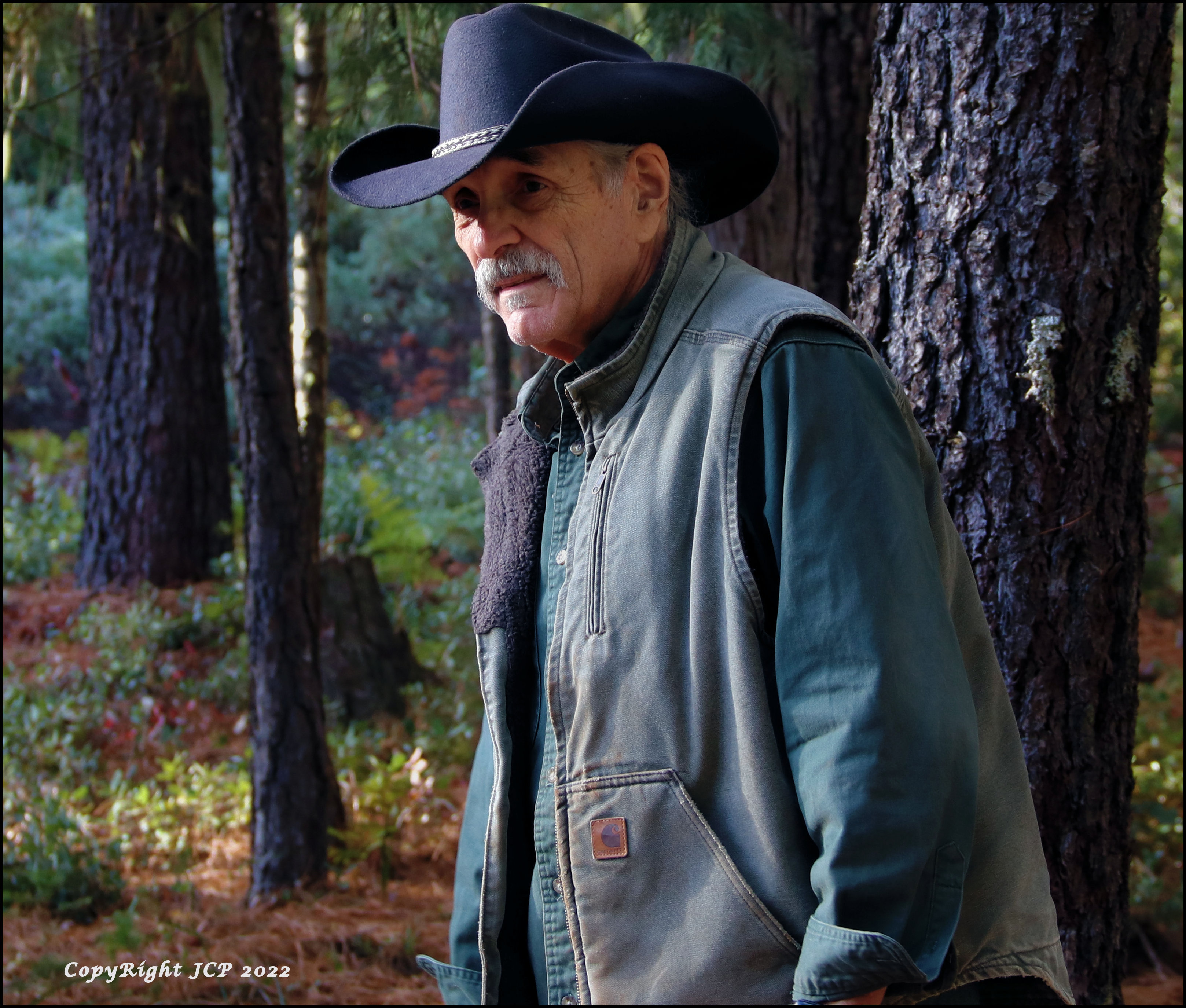
Semiotics’ or a working Semiotician, is a method or technique in finding meaning, in our Universe, Nature, and within our own heart and soul. Objects’, shapes, and universal rhythms, and our search for meaning becomes ongoing, and when those of us who love Nature, find Semiotics, or life as what we refer to as a Semiotician, look forward to awaking into many tomorrows, and the days that follow them. As long as there is a thirst for life, and it survives our tumultuous and ongoing historical events of today, signs within Nature, and life actually, remain of value. I have given to you, over the past few years, my objectivity, and narrative of the things that “come together” and tell us, through meanings of many sorts, combined themes and descent paradigms, Perhaps piecing them together, as in a jigsaw puzzle, and “Bang” – the meanings as obvious as the painting or art picture in a jigsaw puzzle – and vibrates its own energy field, with so much detail . . .
But nothing is as easy in this world, as piecing together this jigsaw puzzle, and the forms of science, as well as the arts, assist me in interpretation. Only then breaking the forms of Semiotics down to a common, and explainable circumstance of events. Availability to our learning senses, as well as our curious, and incurable, need for “meaning” and I find the science and Nature, definable within our perceptions of our own human terms used, and digested, then definable as fact. An oppositional reflex (e.g. ignorance, bias, and bigotry), or what we term a Neo-cortex way of thinking, can only inhabit, unforgivingly, and with some, unknowingly, The gruesome fact is, Nature as being specific and insignificant, often subordinate, to humans and our life on this planet troubling; which, is life threatening to and for Nature – as we see so much of it being common in America today.
How long can we keep life secondary to industry, for example, or to bias, bigotry, and ignorance, before we must promote within a mandatory complex of facts, the necessity of Natures lifeforms cohabitates, side-by-side, with human life forms. But breaking it down further, and we see “shapes” for example, all have recognizable and conclusive body form, in Nature and in Humans – a Universal truth or fact. Birds, because of what they contribute to other life on this planet, are shaped differently than bugs and insects; but, both contribute positively to life on this planet. Even more so, predator birds share the fact they have short necks, again, another situation a Neo-cortex way of thinking, compared to intuitive ways of thinking, and suddenly we can read shapes within a truth – or learn from.
We can then go to the “feathers” of birds of prey, where examples abound, easily defined — to become specific. Evolution shows us, there is a common attribute in the shape and forms of feathers, spread fingers at the wing-tips, of Birds-of-Prey for example, and others don’t. Very important within a Predator-Prey relationship, and when to acknowledge danger and run, or when a Prey-Animal can calmly eat dinner without stress.
For the Prey-Birds fast recognition is a must-do circumstance. So they have the ability to recognize short-necked Birds-of-Prey, and to quickly confirm this, the spread finger-tip versions of wing feathers, all within a millisecond. I am using this within this writing, to demonstrate the difference between Nature and Wildlife and Human’s. If I was walking a small dog, or a cat chose to walk along side me for awhile; which, if I was considerate enough, or cared enough, would watch the sky, for the intricate shapes of birds flying above us. I would know when a Bird-of-Prey in the area, flying over, and perhaps even pick the small dog or cat up, and place them in a safe circumstance. And BTW, yes, Swifts have short necks, but are not Birds-of-Prey, so we look for the wing-span and the feathers, for significance, then making a decision based upon fact, a situation of no significance, because we are holding the cat, or small dog in our arms . . .
So the Neo-cortex is driven by slow thinking, reading and writing, compared to our intuitive way of thinking, which is derived from actual repetition of our experience, development of history, and collusion with Nature’s Evolutionary process. We then have developed a core-element in our survivability complex of rational decision-making circumstances – living within Nature or in the cities. For example, much safer to walk to the store via a sidewalk, than walk down the middle of a freeway, and not get to the store at all.
As irrational as we see this comment, it does portray our human cycle of things, when we start looking at, and understanding the role ignorance, bigotry, and bias plays within our necessary relationship with Nature – Our survival placed into jeopardy, due to the obviousness of ignorance, bigotry, and bias, that totally conflicts with Nature and life itself. Humans are not pertinent to the Survival of Wildlife – Ironically, we are wiping out Wildlife, unnecessarily, at the same time killing ourselves . . . Why? Because we need Wildlife, and all of Nature. Nature does no need us to survive, and will survive long after we wipe ourselves off the face of this planet we live upon. Say thank you for this, to the first ignorant bigot you see, or walk past. Evolution has given Nature this capacity, as if Mother Nature knows humans are simply here temporarily. Human’s throughout our existence, still need to learn this — perhaps why Nature and Wildlife simply avoid us, always — they know what we never learn, and just as soon not deal with our incapacity to learn, or co-habitat.
Although, Nature has given us the anomaly. Where we can take patterns, shapes, and size, from our Universe, and figure out the patterns that require our attention. What I am stating, clearly, is the fact those of us in Nature, daily, see these patterns. When I discuss things, I have seen for the day, on the trails, for the week, or the month, and give-warning to . . . But remember, I mention the Neo-cortex of our minds are slow to react. Some will not react at all, due to the formal arrangement, within our Universal Facts, is the development of the Neo-cortex, which is arranged within a complex, basically, of the art of writing and formulating facts as ideas, or paradigms.
These paradigms, when the Neo-cortex unused, or used not often enough, and here we are today – humans making irrational decisions upon information derived from ignorance, or bias, or bigotry, and all based upon fear. If you have not seen it, and not read it on the internet, e.g., for you to pause and think about any of this, then take a seat, and wonder just how ignorant you may be. Is it possible, human’s can no longer think, because of the internet; whereas, rational intuitive thinking has become shunned, replaced with ignorant rants and raves of nonsense, demeaning others, or developing bravado for killing certain species of wildlife, favorable to the majority? Our very survival is based upon how we, as a culture of humans, develop the answers to this question.” – John Cox, M.A. C/M


 Photojournalist - Journalist