Written and Assimilated by
John Cox, M.A. C/M — Horseman
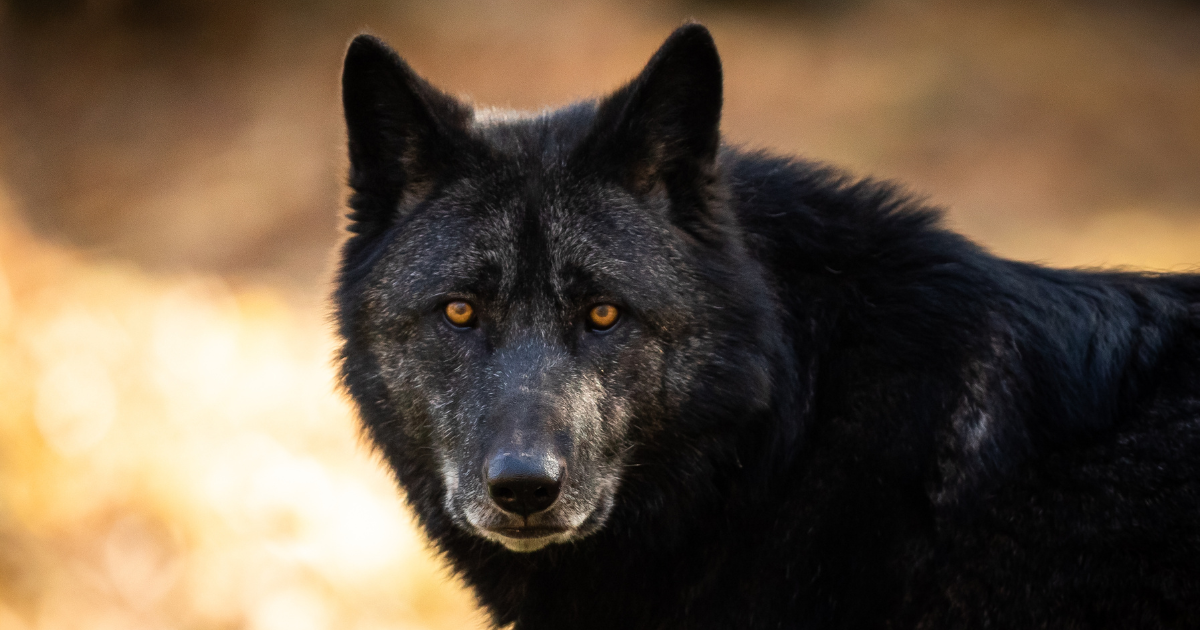
Rather than Discuss Wolves in the Sierra Valley — Let’s Talk Some Truth, and it’s about time. My research took me into the arena, of the many lies Ranchers tell the Public a lot of the time. Evidence is not only in the statistics, and good old American Common Sense, but the many Cattle they say being killed by such a small number of Wolves, in the Sierra Valley — just makes no damn sense at all.
Whether ranching in the Sierra Valley is “healthy” is a complex issue with no simple answer. While conservation efforts and sustainable practices are ongoing, ranching has had documented negative environmental impacts, particularly concerning water quality and biodiversity
Some sources suggest the industry’s rhetoric of being purely beneficial to the ecosystem is a misleading simplification. The rhetoric, or constant lies, cover-up the mis-use of our nation’s Public Lands entirely. We find many ranches there not of historic values, so much as being run incompetently, and just a lot of Poach if Wildlife as well as lands degradation and other illegal activity ongoing constantly. We also located Desertification developed within much of the Sierra Valley lands, due to over-populated cattle destruction.
Environmental impacts
Water quality:
One of the most significant concerns is the effect of cattle grazing on water quality, especially since the Sierra Nevada mountains provide more than 60% of California’s developed water supply.
- Contamination: Research has found that cattle grazing introduces harmful microorganisms, such as E. coli and Cryptosporidium, into waterways through manure.
- Eutrophication: Nutrients like nitrogen and phosphorus from manure can cause eutrophication in lakes and streams, leading to increased algae growth and the potential for toxic algae blooms.
- Erosion and sedimentation: Trampling by cattle can destroy streamside vegetation, compact soil, and cause erosion, which degrades water quality and damages aquatic habitats.
Ecosystem and biodiversity:
Ranching activities also impact the broader ecosystem and its biodiversity.
- Habitat degradation: Overgrazing can destroy native vegetation and alter plant composition, reducing habitat for native wildlife species.
- Riparian damage: Sensitive riparian areas, which support a high diversity of species, are particularly vulnerable to trampling and degradation from livestock.
- Competition with native wildlife: Extensive cattle herds can outcompete native grazers like deer and elk for food resources.
- Disruption of natural processes: The presence of livestock can interfere with the natural disturbances that ecosystems use to maintain balance.
Conservation and mitigation efforts
While issues persist, cooperative efforts are being made to address the impacts of ranching.
- Public-private partnerships: Land trusts, such as the California Rangeland Trust, work with ranchers to establish conservation easements that prevent development while keeping the land in agricultural production.
- Adaptive ranching practices: Researchers and ranchers are collaborating to develop strategies that reduce environmental impacts. Techniques include:
- Using fencing to exclude cattle from sensitive areas like streams and meadows.
- Providing alternative water and salt sources to draw cattle away from waterways.
- Implementing rotational grazing to prevent overgrazing.
- Wildlife coexistence programs: In response to the return of gray wolves, programs have been established to compensate ranchers for livestock losses and provide grants for non-lethal deterrents.
- Balancing interests: These collaborations involve environmental groups, ranchers, and government agencies, acknowledging the complex trade-offs between agricultural livelihoods, conservation, and ecosystem health.
Conclusion
The health of the Sierra Valley’s ranching areas is a subject of ongoing debate. While ranching has a long history in the valley and can be managed sustainably, it has also led to documented environmental degradation. The view that it is a “lie to keep ranching” oversimplifies the situation by ignoring genuine efforts to find a balance between agriculture and conservation. However, critics point to persistent issues like water quality impairment and biodiversity loss as evidence that the industry’s positive claims can be misleading. Ultimately, a balanced perspective recognizes both the historical and ongoing challenges posed by ranching, as well as the attempts by some to implement better practice.
——————– Preservation of America’s Wildlife ——————–


 Photojournalist - Journalist