By John Cox, M.A. C/M
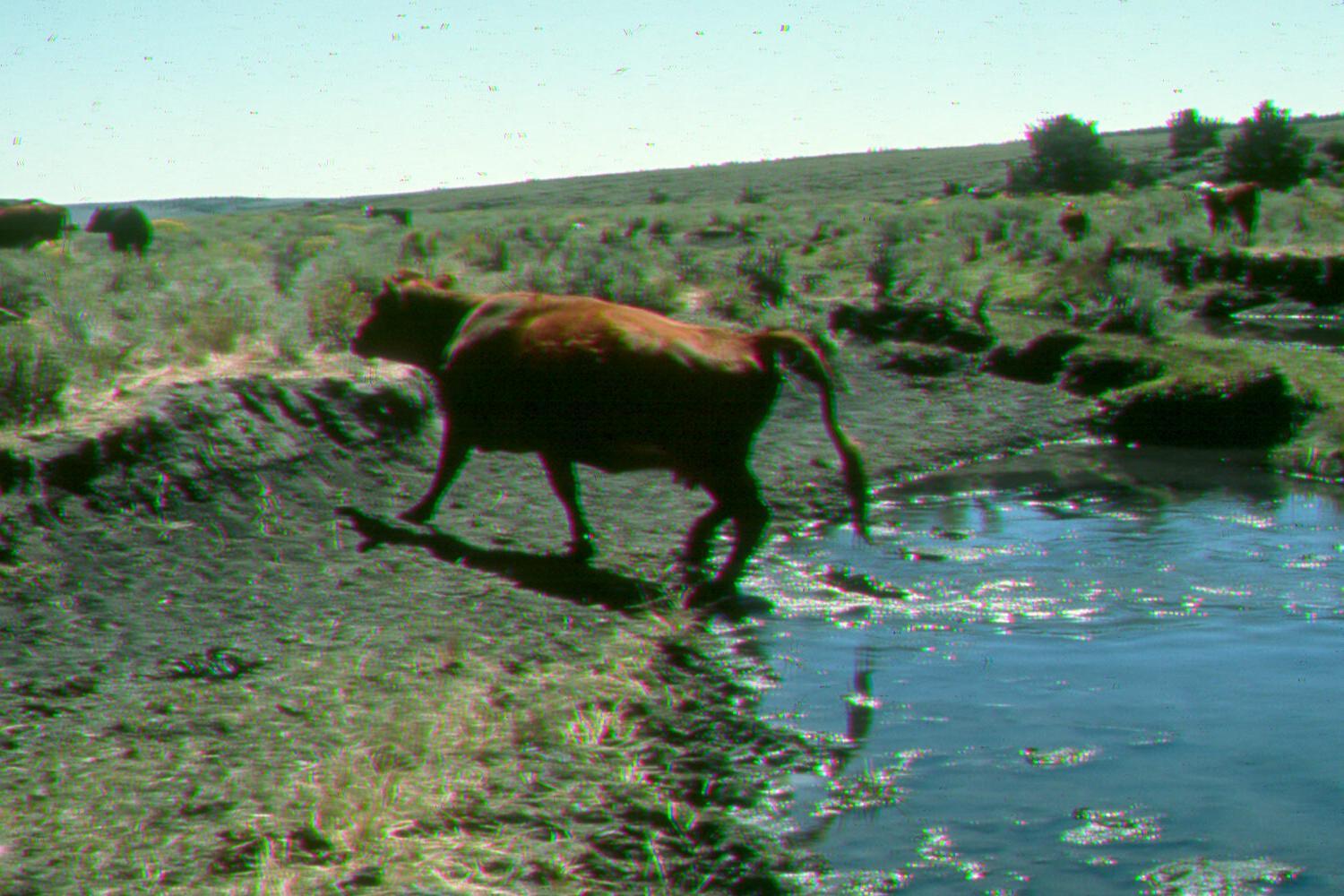
The Facts Clear — Today’s Government Grazing Permit Programs are hold-overs from a By-Gone Era. Antiquatted for sure, used to supply beef for the military during WWI & WWII, then Korea, and the program was to be discontinued. In walks Subsidies programs, costly to taxpayers even then, and suddenly the Cattleman’s Lobby Efforts, and noted historically, payoffs. . .
Suddenly the GP Programs were continued, and funded yearly, with the Bureau of Lands Management (yet another corrupted agency) administering to the subsidies and legal aspects of it all. Public Lands Beef produces only less than 4% of industry totals. Domestic Sales remains a low of less than 1.6% of sales (per USDA Receipts via poundage). The amount does not live up to even the Throw-Away Margins, as described below — and to many Americans / Taxpayers, the sacrifice of taxpayer dollars, as well as Wildlife and Public Lands, the GP Program is simply antiquated, and unuseful in America.
The United States wastes between 30% and 40% of its food supply, which is approximately 133 billion pounds or $161 billion worth of food annually. This waste occurs at all stages of the food system, from farm to table, and includes significant amounts of fresh produce, dairy products, and food discarded by consumers and businesses.
Food waste by the numbers
Percentage: Between 30% and 40% of the total food supply is wasted each year.
Weight: This equates to roughly 133 billion pounds of food.
Value: The estimated economic loss is approximately $161 billion.
Per Person: On a per capita basis, this is about 1.2 pounds of food per person per day, based on 2010 data.
Where food waste occurs
Retail and consumer levels: The US Department of Agriculture (USDA) estimates that about 31% of the food supply is wasted at these levels.
Household level: The majority of food waste happens at home, with some studies showing the average household wastes about 31.9% of the food it buys.
Across the entire food system: One non-profit organization estimates that when including farming and production, 38% of the total food supply is wasted.
By food type: Fresh fruits and vegetables make up a large portion of wasted food, followed by milk and dairy products.
Contributing factors
Confusion over date labels, such as “sell by” and “use by,” is a major contributor to waste at the consumer level.
Income, household size, and diet choices are also linked to higher rates of food waste in households.
Waste occurs throughout the supply chain due to issues in fields, during transportation, at grocery stores and restaurants, and in homes
Beef Industry
The United States beef industry discards an estimated
194.7 million kg (429 million pounds) of beef annually, primarily due to discoloration.
This waste represents the resources of approximately 780,000 cattle and is also linked to significant economic losses of about $3.73 billion per year, though this figure can vary based on different studies and factors.
Annual Discard Amount: Approximately 194.7 million kg (194,700
194,700 metric tons) of beef is discarded each year.
Reason for Discard: The primary reason cited for this waste is discoloration of the raw meat, which can be a subjective or objective quality issue that leads to products being rejected.
Economic Impact: The annual economic loss associated with this discarded beef is estimated at $3.73 billion.
Resource Wastage: This waste is equivalent to the resources (land, water, energy) used to produce the beef from about 780,000 animals annually.
Environmental Impact: Discarding beef contributes to environmental problems, as the resources used to produce it are wasted. Furthermore, when food is sent to a landfill, it can produce methane, a potent greenhouse gas.
____________________________________________________________________________________________________________
 Preservation of America's Wildlife